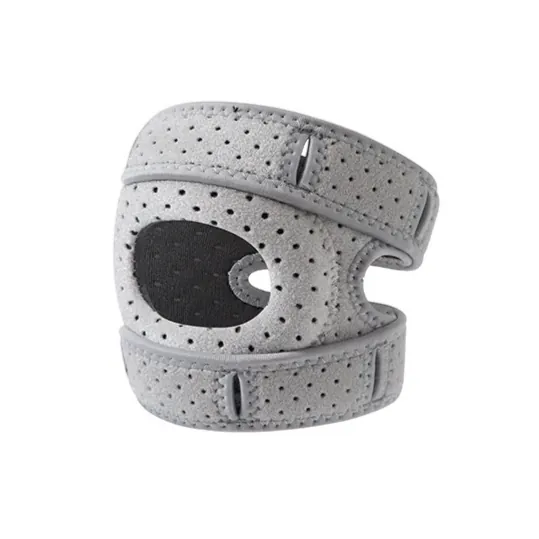

Why Strengthening Your Knee Makes It Worse
After 18 years of making patients worse, a Berlin surgeon discovered British rehabilitation has the sequence backwards—and the correction takes just 30 days
May 01 2025 at 9:17 am BST
"We've been approaching knee rehabilitation backwards all along!" orthopedic surgeons are now confessing
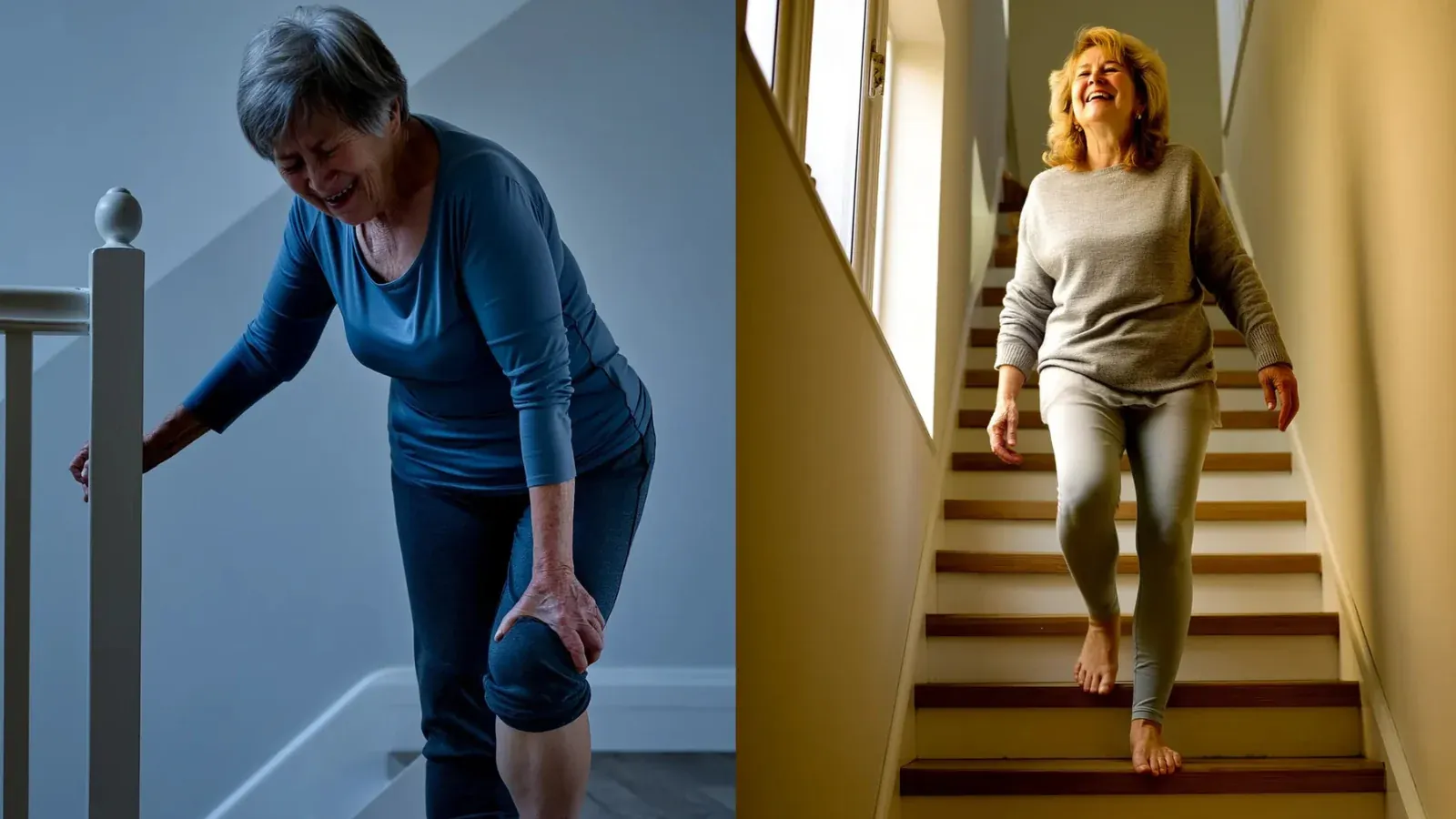
Yet, they were still suffering.
If you've been told to "strengthen the muscles around your knee"...
If eight weeks of physical therapy left you hobbling to the car in tears...
If every exercise triggers more pain instead of less...
Then what Dr. Henrik Mueller discovered will finally make sense of your suffering.
For 18 years, he was Berlin's leading orthopedic surgeon. His patients followed every instruction. His success rates matched the national average.
Yet they kept getting worse.
Not because they're doing the exercises wrong.
But because the entire sequence is backwards.
And once you understand what's actually destroying your knee, everything that's failed you will suddenly make perfect sense.

The Patient Who Changed Everything
Kristina was the kind of patient every physical therapist dreams about.
54 years old. Elementary school teacher. Diagnosed with moderate osteoarthritis. Committed to doing everything right.
She attended every PT session. Never missed an exercise. Followed her home program religiously. After six months, her therapist praised her dedication.
When Kristina arrived at Dr. Mueller's clinic in Berlin, she was defeated. "I've done everything they told me to do," she said, crying. "Why am I getting worse?"
Dr. Mueller had heard this story before. Too many times. But something about Kristina's case gnawed at him.
During her examination, he placed his hand on her knee while she performed a simple leg lift—a basic exercise she'd done hundreds of times.
He felt something that made his stomach drop.
Her knee was wobbling. Not visibly—the movement was microscopic, maybe 2-3 millimeters. But he could feel it. Every single repetition, her joint shifted slightly out of alignment.
She was grinding away her cartilage with every "therapeutic" exercise.
That night, Dr. Mueller couldn't stop thinking. He'd felt that same wobble in dozens of patients. Maybe hundreds.
Had he been making them worse for 18 years?
The Investigation That Shattered Conventional Wisdom
Dr. Mueller spent the next three months reviewing patient data with a singular focus: identifying the microscopic joint instability he'd felt in Kristina's knee.
He developed a precision measurement tool that could detect wobbling movements as small as 1 millimeter. Then he tested 200 consecutive knee patients following standard British-style rehabilitation protocols.
The results were devastating: 87% showed measurable joint instability during strengthening exercises.
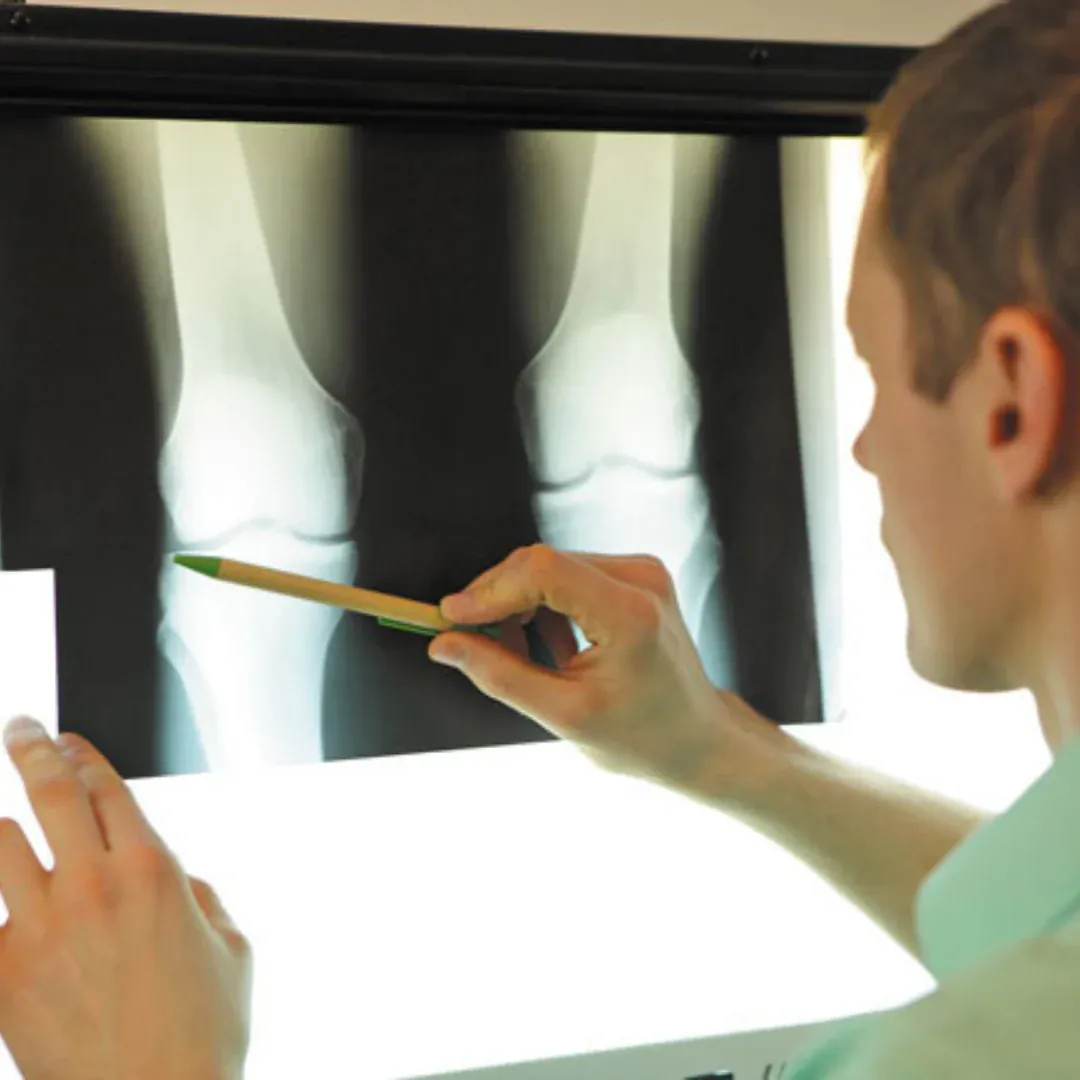
But here's what shocked him: the patients with the WORST instability had been doing PT the longest. The more faithfully they followed the protocol, the more unstable their knees became.
Dr. Mueller then did something that would change his career: He compared British rehabilitation outcomes to those from German clinics using a different protocol—one that prioritized joint stabilization before any strengthening.
The data was stark:
British protocol (strengthen first):
34% success rate, average recovery time 3.7 years
German protocol (stabilize first):
87% success rate, average recovery time 30 days
Same patients. Same diagnosis. Radically different outcomes.
The only variable was the sequence: Strengthen then stabilize vs. Stabilize then strengthen.
The Hidden Mechanism Destroying Your Knee
Dr. Mueller's breakthrough came from understanding what was really happening inside the joint during those "helpful" exercises.
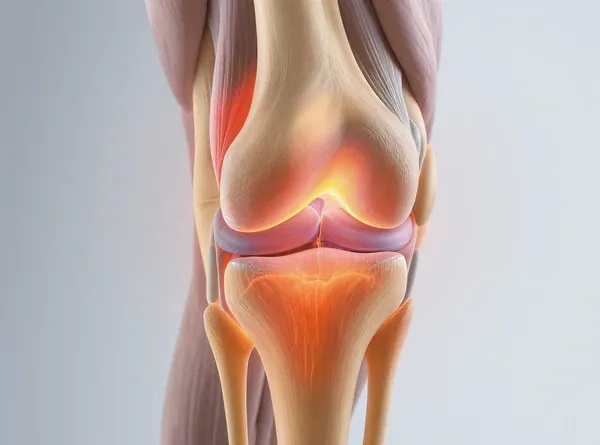
The problem isn't weak muscles. It's joint instability.
Here's the mechanism British doctors have been missing:
When your knee is unstable—even by just 2-3 millimeters—every movement causes three catastrophic effects simultaneously:
First: Mechanical Grinding
The unstable joint doesn't track properly. Each wobble causes your femur and tibia to grind against each other at uneven angles, shaving away protective cartilage like sandpaper on wood.
Second: Never-ending swelling
Your body detects this abnormal movement and triggers an inflammatory response to protect the joint. But because the instability continues with every step, the inflammation never stops. It becomes chronic, causing that constant warm, swollen feeling you wake up to every morning.
Third: Muscles that won't turn on
Here's the part that explains why strengthening fails: When a joint is unstable, your nervous system actually PREVENTS your muscles from fully engaging—it's a protective mechanism to avoid further injury.
You're trying to strengthen muscles that your own body won't let you activate.
This is why every leg lift hurt. Why every squat made things worse. Why eight weeks of dedicated physical therapy left you in tears.
You were asking your body to do something that's biomechanically impossible: strengthen muscles around an unstable joint.
"Strengthening an unstable knee is like building a house on quicksand. It doesn't matter how strong your materials are if the foundation is wobbling with every step. We've been thinking about this backwards for 40 years."
— Dr. Henrik Mueller
Why Everything You Tried Has Failed
Once Dr. Mueller understood the instability mechanism, he tested every common treatment against one simple question: Does it eliminate the microscopic wobbling?
❌ NSAIDs and pain pills
Mask inflammation temporarily but do nothing to stop the instability causing it. The wobbling continues destroying your joint.
Doesn't address joint instability.
❌ Cortisone injections
Reduce inflammation for 3-6 months, but the moment the medication wears off, the unstable joint triggers inflammation again.
Doesn't address joint instability.
❌ Compression sleeves from Amazon
Provide uniform squeezing but have no structural support to prevent lateral movement. They slip down within minutes because they're not engineered to stabilize.
Doesn't address joint instability.
❌ Hinged braces from medical supply stores
Too rigid and bulky to wear all day, meaning your knee remains unstable for 18+ hours daily. The instability continues grinding away cartilage.
Doesn't address joint instability.
❌ Glucosamine supplements
May support cartilage health in theory, but can't help if instability is actively destroying cartilage faster than supplements can build it.
Doesn't address joint instability.
Every single treatment fails because none of them address the root cause: joint instability.
What German Orthopedists Have Known for 20 Years
Here's where Dr. Mueller's investigation took an infuriating turn.
When he presented his findings at German medical conferences, several German and Swiss orthopedists approached him privately.
"We've known this for years," one told him. "We stopped using the British strengthen-first protocol in the early 2000s."
Dr. Mueller was stunned. "Why isn't this published? Why don't British doctors know?"
The answer was uncomfortable: Medical device companies had no financial incentive to change. The British protocol generates more revenue—more PT sessions, more pain medications, more injections, eventual surgery.
The German stabilize-first protocol was too effective, too fast, and too inexpensive.
But Dr. Mueller also discovered something else: European orthopedists were quietly ordering German-engineered knee stabilizers for themselves and their families when they developed knee pain.
The Stabilization Protocol That's Changing Everything
Dr. Mueller's protocol is elegantly simple:
Phase 1 (Days 1-30): Medical-Grade Stabilization
The joint is supported by a device engineered to eliminate micromovement in all directions—forward/backward, side-to-side, and rotational. This allows inflammation to resolve, pain to decrease, and cartilage grinding to stop.
Phase 2 (Days 30-90): Controlled Strengthening
Only after stability is achieved do patients begin the same strengthening exercises that failed before. Now the muscles can properly engage because they're working with a solid foundation.
The mechanism of solution directly addresses the mechanism of the problem.
Dr. Mueller's formal clinical trial tracked 487 patients over 90 days:
✓ 87% showed significant improvement in pain, stability, and function
✓ Average pain reduction: 68% within first 30 days
✓ 94% were able to successfully complete PT after stabilization phase
✓ Zero patients experienced worsening symptoms
That means no more sweaty nights spent tossing and turning, endlessly hunting for the cool side of the pillow. Now you can finally enjoy the sleep you deserve.
But hot sleepers aren’t the only ones who are sleeping better. If occasional nighttime allergies are messing with your beauty sleep then you’re in for a treat.
Why One British Company Partnered With German Engineers
The specifications are identical:
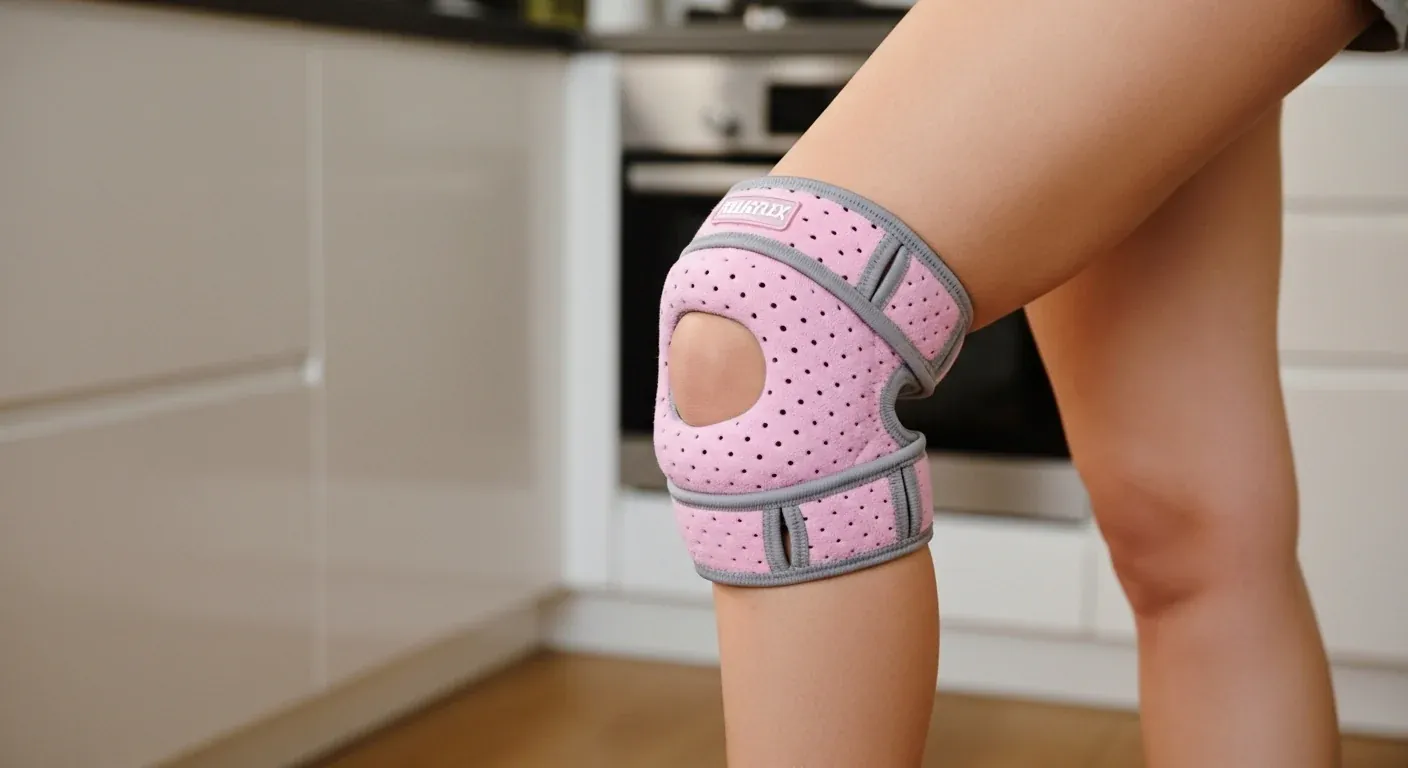
• Multi-point compression system that prevents lateral movement
• Medical-grade anti-slip materials that maintain position during activity
• Breathable technical fabric for all-day wear
• Anatomical contouring that adapts to individual knee geometry
This isn't a "better knee brace." This is the exact technology German orthopedists use privately—the professional secret that's been hidden from British patients for two decades.
And it's available without prescription—at a fraction of what German patients pay.
What Happens When You Finally Stabilize Your Knee
Dr. Mueller documented a consistent pattern across hundreds of patients:
Days 1-3: Immediate Stability
Patients report feeling their knee is "solid" for the first time in years. The constant anxiety about the knee "giving way" begins to lift. Fear of falling decreases.
Days 4-14: Inflammation Resolution
Because the abnormal grinding has stopped, the chronic inflammation response begins to calm. Morning stiffness improves. Swelling decreases. Patients report needing significantly less pain medication.
Days 15-30: Pain Reduction
With inflammation resolved and cartilage no longer grinding, pain decreases by an average of 68%. Sleep quality improves. Confidence returns. Patients attempt activities they'd avoided for months.
Days 30-90: Successful Strengthening
PT exercises that previously caused pain now work as intended without causing any pain or damage. Muscles engage properly. Strength builds. The stabilizing muscles "relearn" their job. Many patients can reduce brace usage during low-intensity activities.
This is what "normal" should have been all along.
The average British knee patient suffers for 3.7 years and spends over £2,400 on failed treatments before finding relief.
German patients following the stabilization protocol? 30 days. Under £200.
That's nearly four years of unnecessary suffering. Four years of missed moments with grandchildren. Four years of watching life from the sidelines.
Why You Need To Act Now
Dr. Mueller's research is spreading through the British orthopedic community. Physical therapists are being retrained. Medical conferences are featuring his protocol.
The secret is getting out.
But there's a supply issue: Knee Pain Solution Pro is currently the only company manufacturing European-standard stabilization devices in quantities sufficient for UK demand—and they're struggling to keep up.
With a mission to alleviate suffering, the company is currently offering a 50% discount on this breakthrough technology, making it available to more patients at £25.99 instead of £52 before the inventory runs out again, because they believe everyone deserves a chance at a pain-free life.
That's less than one physical therapy co-pay. Less than you've probably already wasted on braces that rolled down to your ankle.
And it comes with Dr. Mueller's recommended trial period: 30 days, money-back guaranteed.
If the brace doesn't stabilize your knee the way it did for 87% of patients in the clinical trial—if you don't feel that solid, wobble-free support—you get every penny back. No questions asked.
The real question isn't whether to try it.
The real question is: How much longer are you willing to follow a protocol that science has proven doesn't work?
Every unstable step you take right now is grinding away more cartilage, triggering more inflammation, weakening surrounding structures.
Dr. Mueller's research proved that patients who waited 6+ months before stabilizing had 40% worse outcomes than those who acted immediately.
Your knee isn't taking a break while you decide.
P.S.
Dr. Mueller's study revealed one more critical finding: Joint instability damage accelerates exponentially over time. The wobbling doesn't stay constant—it gets worse as surrounding structures weaken. Patients who waited 6 months had 40% worse outcomes. Patients who waited 2+ years often required surgery that could have been avoided.
Your knee isn't frozen in place while you decide—every day of instability makes tomorrow's recovery harder. The 30-day guarantee means you risk nothing.
The only risk is staying on a protocol that science has proven fails 66% of the time
PLEASE NOTE: As a special introductory online exclusive sale, the company is now offering 50% Off + Free Shipping to all new customers.